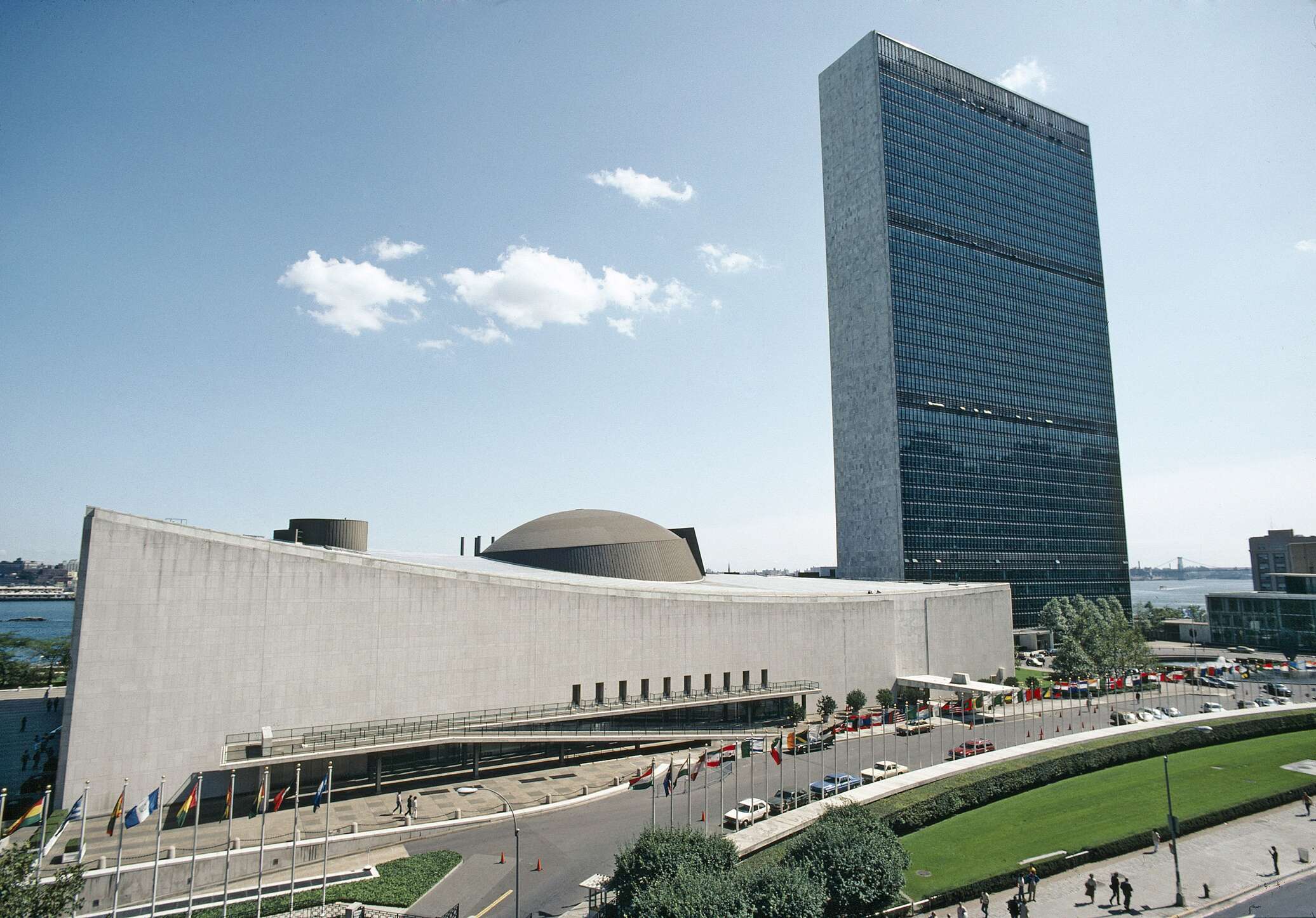
The findings, detailed in Gallup’s report "How the World Rates the United Nations," highlight a complex landscape where the UN remains more popular than the individual leadership of major powers, including Germany, China, the United States, and Russia. Despite this, support is far from uniform. While 67 of the 137 countries surveyed show majority approval, the organization faces deep-seated resistance in specific pockets, most notably in the Middle East and North Africa, where disapproval outstrips approval by a net -23.
National figures reveal stark contrasts in public perception. Vietnam, Cambodia, and Laos lead with net approval scores exceeding +70, whereas Israel, Russia, and Tunisia report significant negative sentiment. Notably, a physical UN presence does not guarantee public favor: approval hits 70% in Kosovo but drops to 9% in Israel. Furthermore, youth populations aged 15 to 29 consistently express the highest levels of support in almost every region.
Gallup CEO Jon Clifton suggests that this broad, if uneven, base of support provides the institution with a vital foundation. However, the data also points to significant ambiguity; in many nations, large segments of the population remain unfamiliar with the UN or state their opinion depends on shifting geopolitical circumstances. As the organization prepares to appoint a new Secretary-General, these figures underscore the challenge of maintaining global relevance in a fractured political climate.



Comments (0)
No comments yet. Be the first!