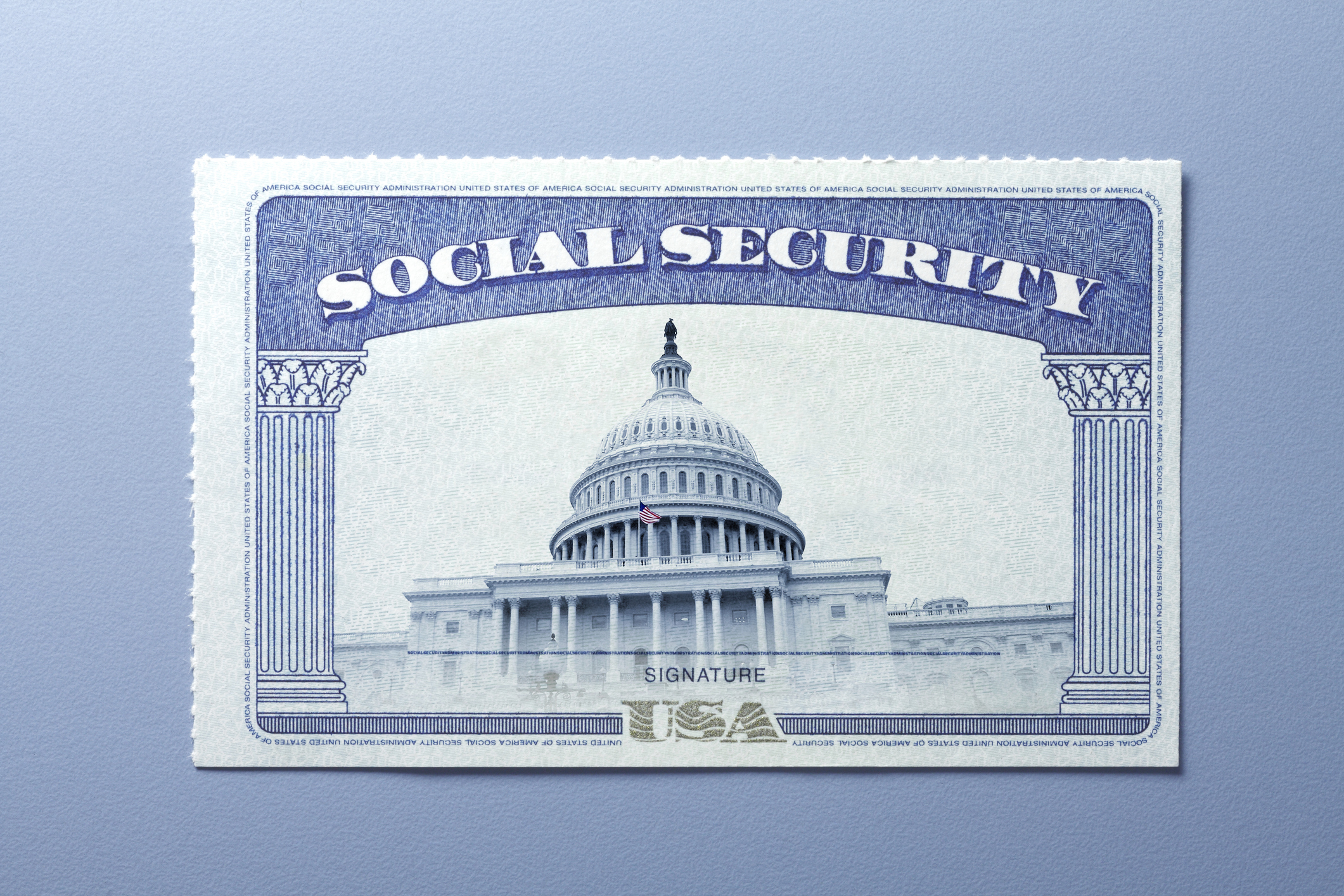
The report, commissioned by AARP New York, highlights that the 1983 reforms—which raised the retirement age and taxed benefits—already cost the average retiree in the state more than $4,000 annually. Analysts estimate that had those specific cuts never occurred, 2025 economic activity across New York would have increased by $26.2 billion, driven by the higher spending power of seniors.
The Economic Impact of Future Policy
Policymakers are currently under pressure to address the projected 2032 exhaustion of the Social Security trust fund. Researchers modeled a scenario raising the full retirement age to 70 and increasing the maximum taxable share of benefits. Under these conditions, a retiree aged 65 in 2040 would see their monthly check shrink by $433. Beth Finkel, state director of AARP New York, warned that such reductions jeopardize the independence and dignity of older residents. Beyond individual households, the ripple effect would hit local businesses, as retirees rely on these payments for essential goods like housing and healthcare. With 57 percent of New Yorkers aged 45 and older expecting Social Security to be their primary retirement income, the findings indicate that any further austerity measures would force widespread cutbacks in basic consumption, including groceries and housing stability.


Comments (0)
No comments yet. Be the first!