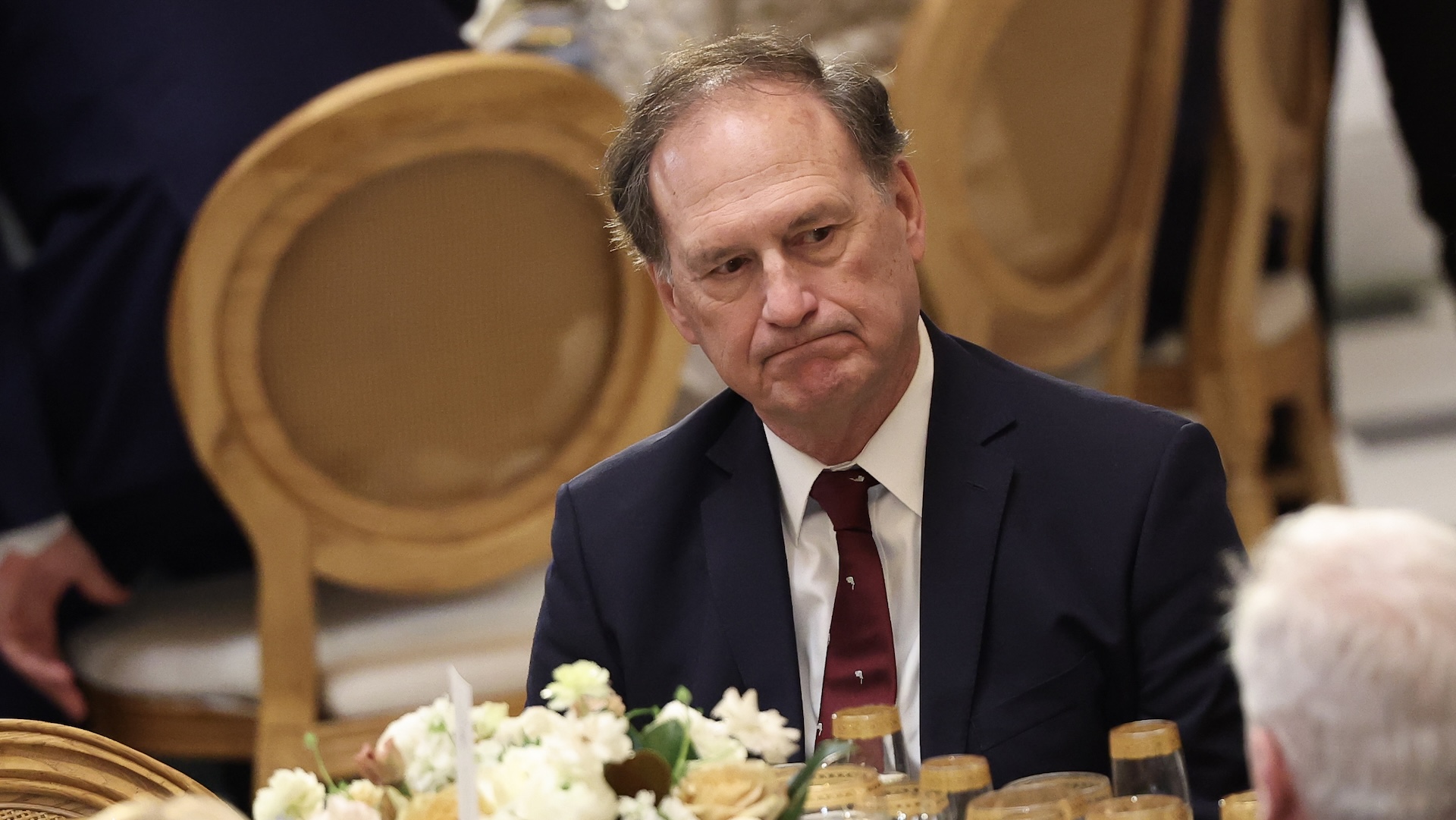
The Supreme Court’s "Rule of Four" requires at least four justices to agree to hear a case. In January 2025, Alito recused himself when the Court rejected a petition in Sunoco v. Honolulu, which presented the same core question regarding whether federal law preempts state-level climate injury claims. Yet, when the Court granted review for Suncor v. Boulder in February 2026, Alito remained active in the deliberations.
Alexandra Nagy, organizing director of Consumer Watchdog, argues that the contrast is impossible to ignore. "If Alito concluded he should not participate in deciding this case, it is reasonable to ask what that means for his participation while the Court was deciding whether to hear it in the first place," she said. The petition for Suncor was distributed across five separate conferences before the Court ultimately took the case, heightening concerns that Alito’s vote may have been the decisive factor in granting the writ.
While Supreme Court internal voting records remain confidential, critics and legal observers are questioning whether the Court should proceed with the hearing. There is a procedural mechanism known as a "DIG"—dismissing a writ as improvidently granted—which the Court employs when it determines a case should not have been accepted. As the October 5 oral argument date approaches, the uncertainty surrounding Alito’s participation casts a long shadow over the proceedings, particularly given that the case could impact numerous other climate accountability lawsuits currently stayed across the country.



Comments (0)
No comments yet. Be the first!