S&P 500 5,235.18 +1.02%EUR/USD 1.0840 +0.21%GBP/USD 1.2710 +0.14%USD/JPY 149.50 −0.18%BRENT $82.40 −0.81%BTC $67,800 −0.21%GOLD $2,341 +0.55%NASDAQ 16,420.55 +0.74%S&P 500 5,235.18 +1.02%EUR/USD 1.0840 +0.21%GBP/USD 1.2710 +0.14%USD/JPY 149.50 −0.18%BRENT $82.40 −0.81%BTC $67,800 −0.21%GOLD $2,341 +0.55%NASDAQ 16,420.55 +0.74%
A daily business newspaper · Founded in 2026

Money Talk

Finance and markets: business, quotes, gold, energy and releases.

India Blames Shipping Bottlenecks, Not Scarcity, for Oil Price Spike

Global oil markets are currently grappling with a logistical stranglehold rather than a physical deficit, according to India’s Oil Minister Hardeep Singh Puri. While daily production sits at a robust 104 million barrels, regional instability in the Middle East has effectively choked off the arteries of global energy trade.

India Blames Shipping Bottlenecks, Not Scarcity, for Oil Price Spike

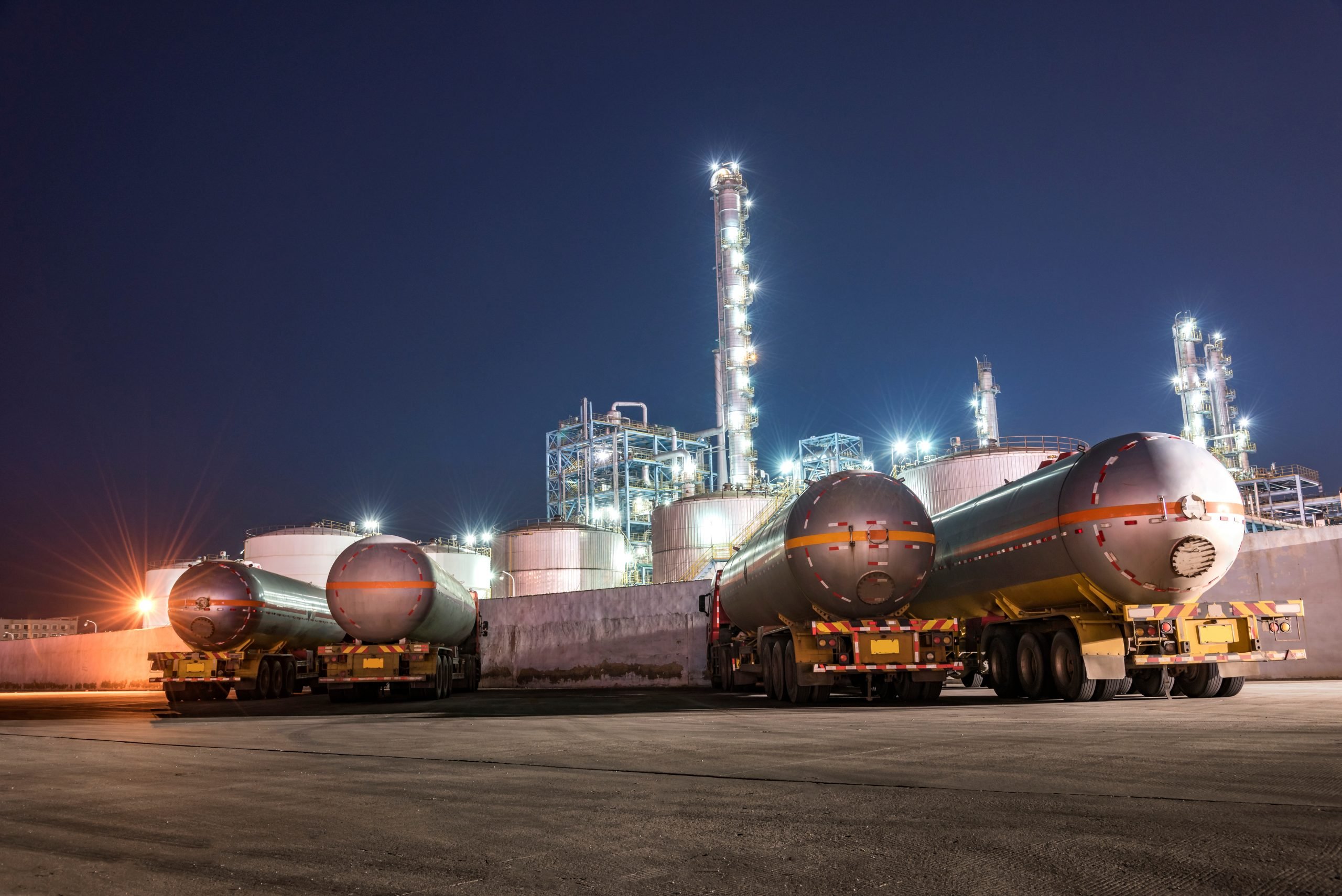
Daily consumption currently tracks at 94 million barrels, leaving a significant surplus of supply that fails to reach end users. Puri pointed to the ongoing crisis in the Middle East and the volatility surrounding the Strait of Hormuz as the primary culprits behind the price surge. These geopolitical tensions have forced tankers onto longer, inefficient routes, pushing freight charges and insurance premiums to unprecedented levels.

For India, the world’s third-largest importer, the impact is acute. With 85% of its crude requirements sourced from abroad, the nation faces a dual burden: rising benchmark prices and the soaring cost of transport from its primary suppliers in the Middle East. In response to this vulnerability, New Delhi is accelerating domestic exploration efforts to lessen its reliance on imported energy and safeguard its economy against future maritime disruptions.

Share article
TelegramXFacebook

When reusing this material a link to Money Talk is required.

Comments (0)

Leave a comment

No comments yet. Be the first!