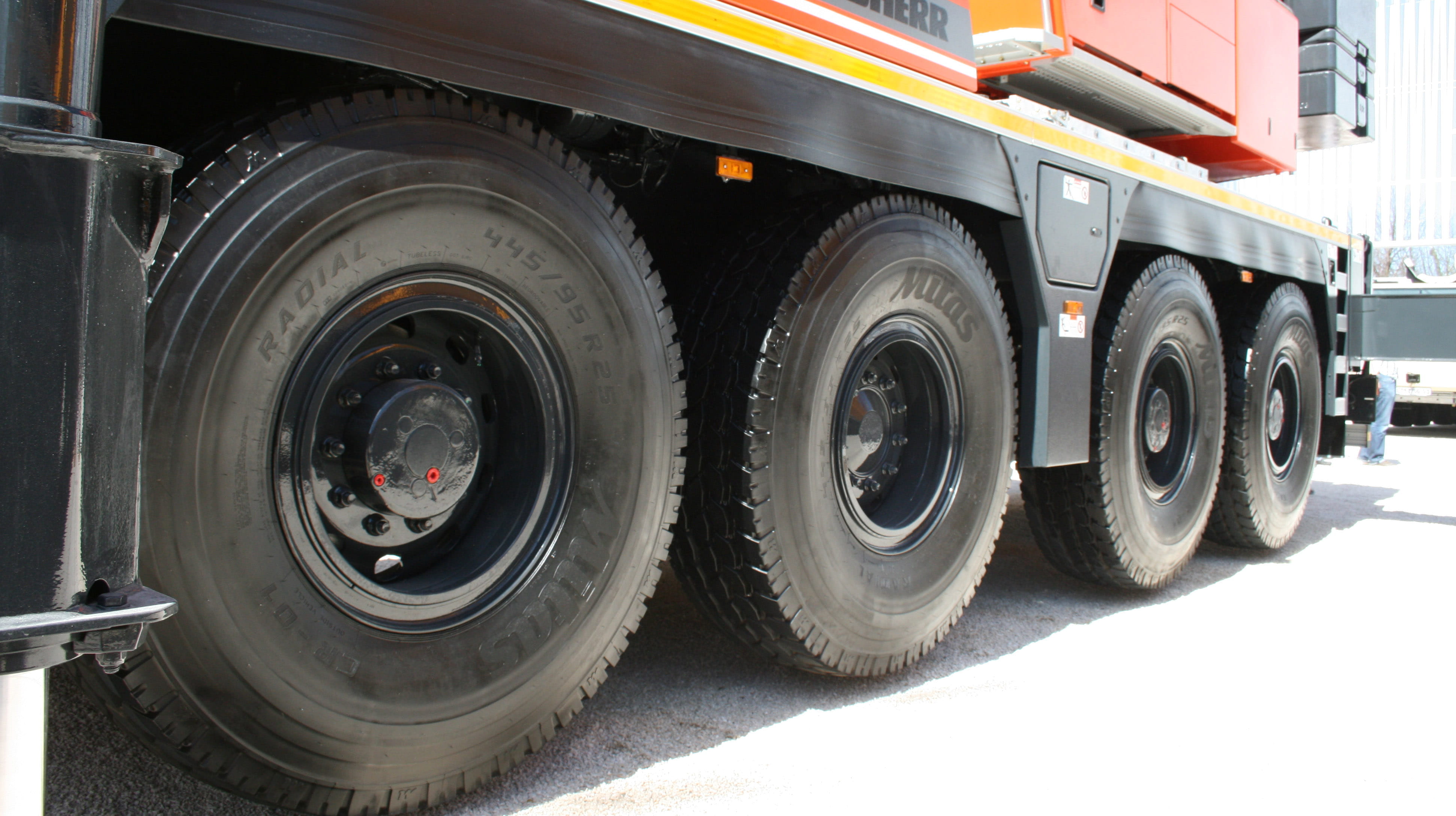
The sector, which recorded a valuation of USD 2.31 billion in 2025, is expected to maintain a compound annual growth rate of 4.56%. This expansion is fueled by the rising utilization of all-terrain and rough-terrain cranes, which require specialized, high-performance tires capable of managing heavy loads, heat, and frequent highway travel between job sites. As fleet managers prioritize total cost of ownership over initial purchase price, there is an increasing demand for premium products that offer superior durability and longer maintenance intervals.
Asia-Pacific currently dominates the landscape, commanding a 41.62% market share due to rapid industrial development and massive energy investments across China and India. Meanwhile, the renewable energy sector has become a critical demand engine; the global installation of wind capacity reached a record 117 GW in 2024, necessitating heavy-lift fleets that operate under rigorous conditions. Manufacturers such as Michelin, Bridgestone, and Goodyear are responding by launching high-load-index, lightweight tire models designed to improve payload efficiency and safety. Despite the growth, the industry faces ongoing risks from raw material price volatility and supply-chain concentration, forcing companies to refine their logistics and inventory strategies to ensure product availability for critical infrastructure projects.


Comments (0)
No comments yet. Be the first!