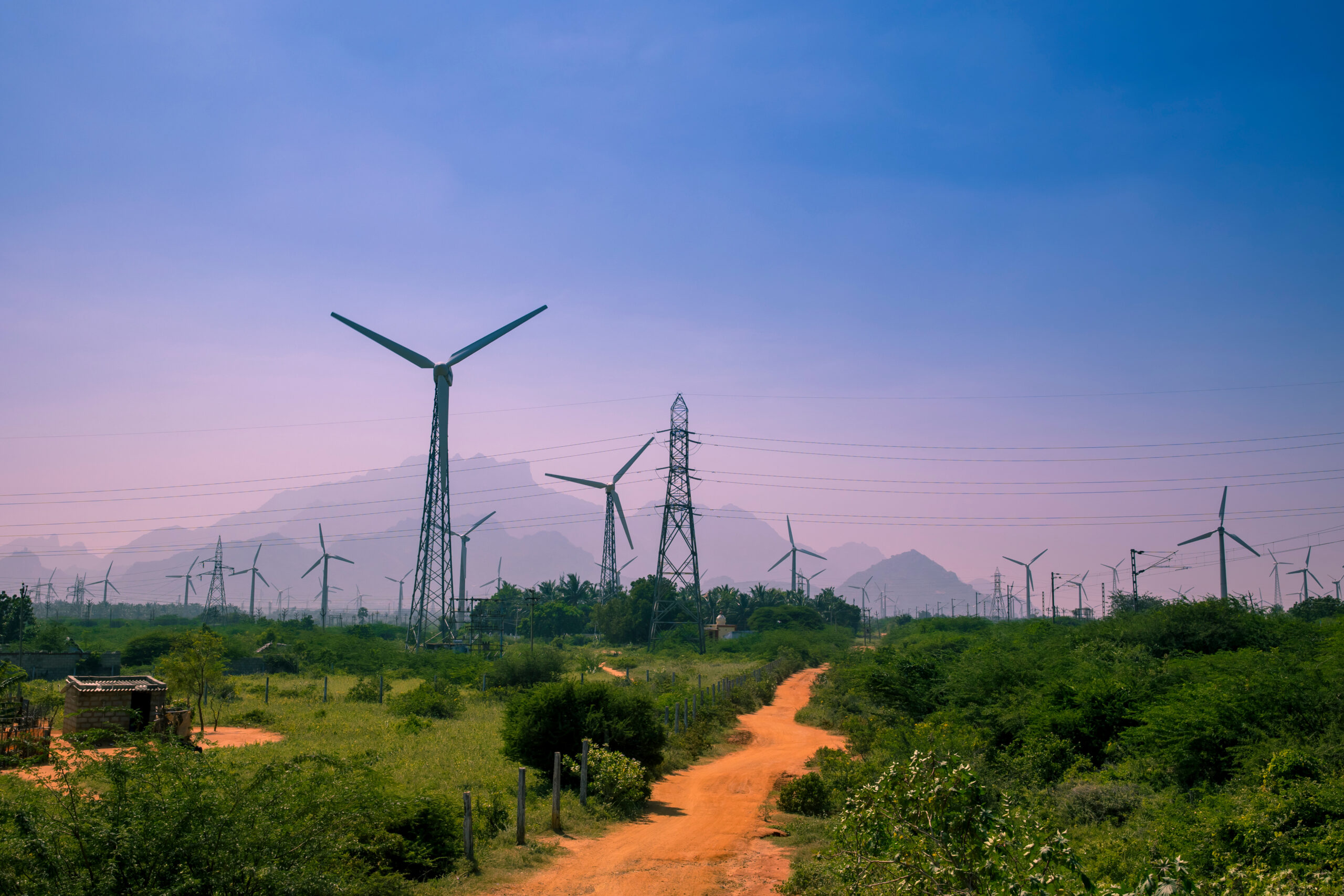
The shift toward renewable energy is increasingly defined by the integration of battery storage systems. By pairing wind and solar projects with dedicated storage, developers are effectively mitigating the intermittency issues that previously hampered renewable growth. Tanti emphasized that this combination provides a firm, reliable power supply, insulating the grid from the fuel supply volatility that often plagues traditional coal-fired plants.
India recently surpassed the 300 gigawatt milestone for non-fossil-fuel capacity, keeping the nation on a clear trajectory toward its 500 gigawatt goal by 2030. Solar energy currently leads the sector with over 164 gigawatts, while wind accounts for 58.14 gigawatts. To ensure grid stability, the government plans to mandate battery storage at new solar and wind sites starting July 1, 2027. This regulatory push aims to optimize energy output and minimize the curtailment of renewable power across the national grid.




Comments (0)
No comments yet. Be the first!