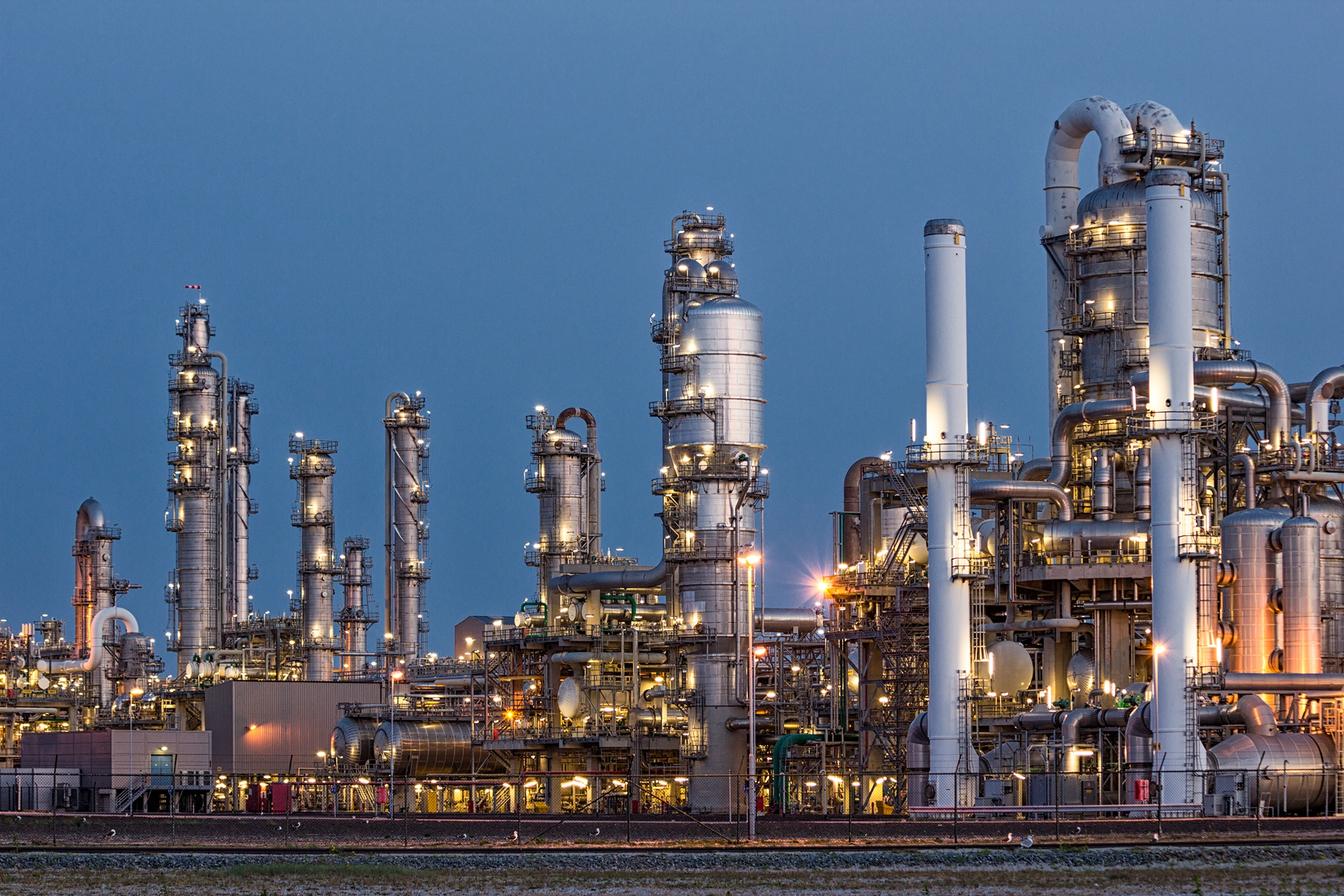
The disconnect between crude availability and refined product output has pushed diesel prices to record highs. Despite a seasonal increase in demand from agriculture and freight, global supply remains constrained. The IEA reports that diesel inventories suffered heavier-than-normal declines in the second quarter of 2026, leaving markets without the necessary buffer for the peak winter season. Even with an uptick in refinery throughput, the agency anticipates no meaningful replenishment of lost stocks before the second half of 2027.
Ole Hansen, head of commodity strategy at Saxo Bank, emphasizes that crude exports alone cannot resolve the crisis. The energy system is currently suffering from a dual failure: a refining bottleneck and a shipping crisis. While crude shipments have recovered, refined-product exports remain severely limited. This scarcity has forced U.S. and European gasoil futures to trade at levels exceeding $200 per barrel equivalent, reflecting a structural shortage that crude supply cannot fix.
The economic consequences of this fuel shock are increasingly visible. Rising diesel costs are inflating supply chain expenses and eroding real incomes. In the U.S., trucking carriers have begun passing fuel surcharges directly to customers, contributing to a 3.7% year-over-year rise in the consumer price index as of September. With diesel accounting for a substantial share of total oil demand decline, the inflationary pressure shows few signs of abating ahead of critical political milestones.



Comments (0)
No comments yet. Be the first!