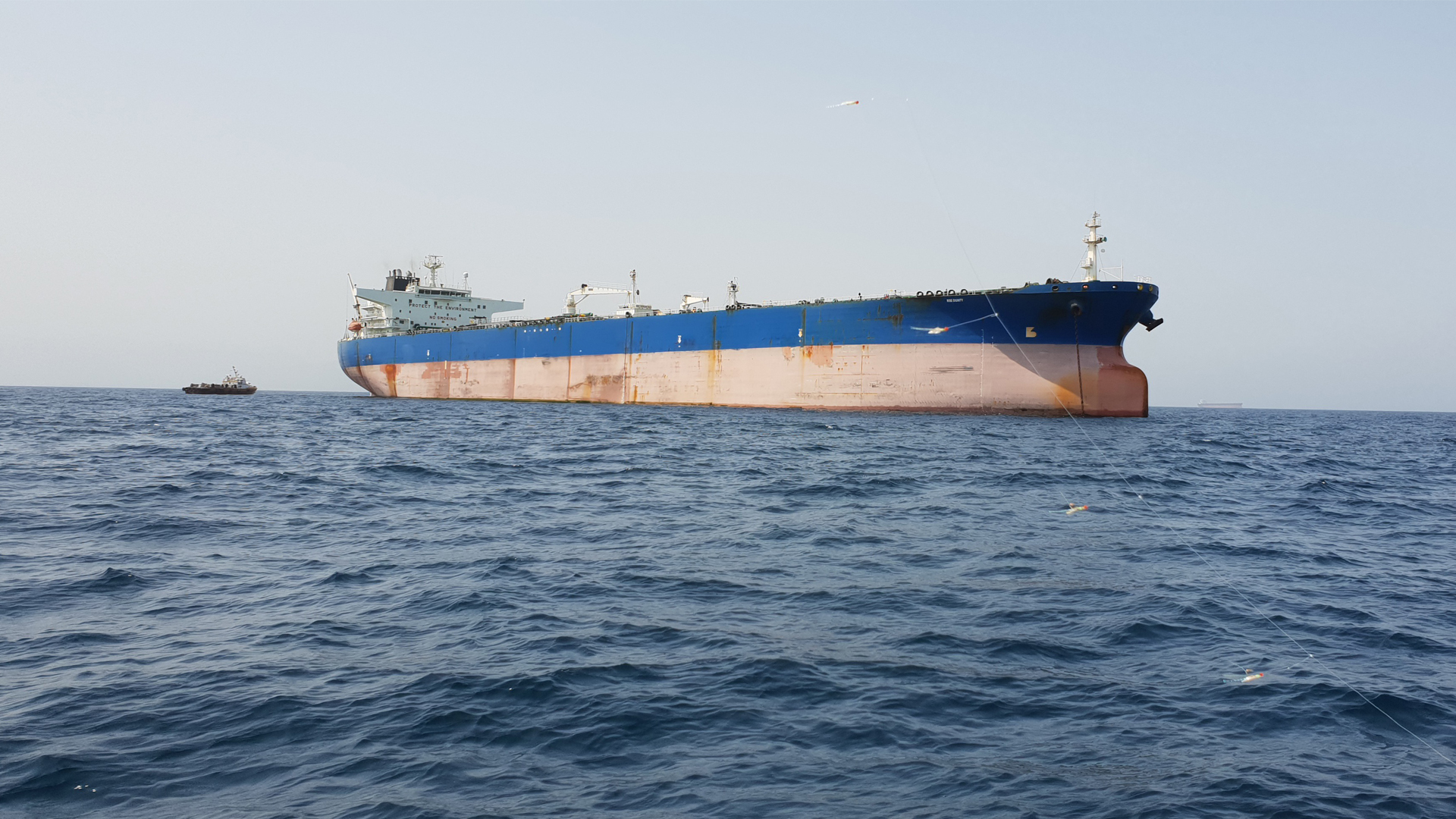
Saudi Aramco cut December official selling prices for all Asian crude grades by $2 a barrel. Its flagship Arab Light was set at a $7 discount to the Dubai/Oman benchmark, the lowest level since June 2020. The reductions came as Gulf shipping remained constrained. The U.S. Treasury also sanctioned Indian and Turkish individuals and companies accused of providing false flags and certifications to vessels carrying Iranian petroleum.
The market’s wider energy picture remains unsettled. QatarEnergy is seeking an additional 3–6 million tonnes a year of U.S. liquefied natural gas after securing 4 million tonnes from Cheniere and 3 million from Woodside, aiming to hedge against possible Gulf disruption. The UAE’s ADNOC is reportedly considering a third west-to-east pipeline to move crude from other Middle Eastern producers to Fujairah; the country’s second pipeline is expected to launch in Q1 2027.
Elsewhere, India pledged $1.5 billion in subsidies for 92 GW of energy storage capacity, with support running through 2031. In Europe, EU members agreed to delay methane reporting rules until 2028, while Italy is preparing changes that would let the government reimburse power utilities when gas prices exceed €58.90/MWh. The current price cited in the report is €86/MWh.
Oil and gas supply plans also shifted in other regions. Colombia’s new president, Abelardo De La Espriella, is seeking a 2027 hydrocarbon licensing round, reversing a moratorium introduced by Gustavo Petro. But Colombia’s 6 trillion-cubic-foot Sirius offshore gas project has reportedly been delayed to 2031, despite the country’s 40% dependence on imports. In Australia, the $700 million Golden Beach gas project entered administration, raising the likelihood of shortages in the east from 2028. The source report also noted that Russia paid refiners 415 billion rubles ($5.1 billion) in October subsidies, its highest monthly total since April 2022.


Comments (0)
No comments yet. Be the first!