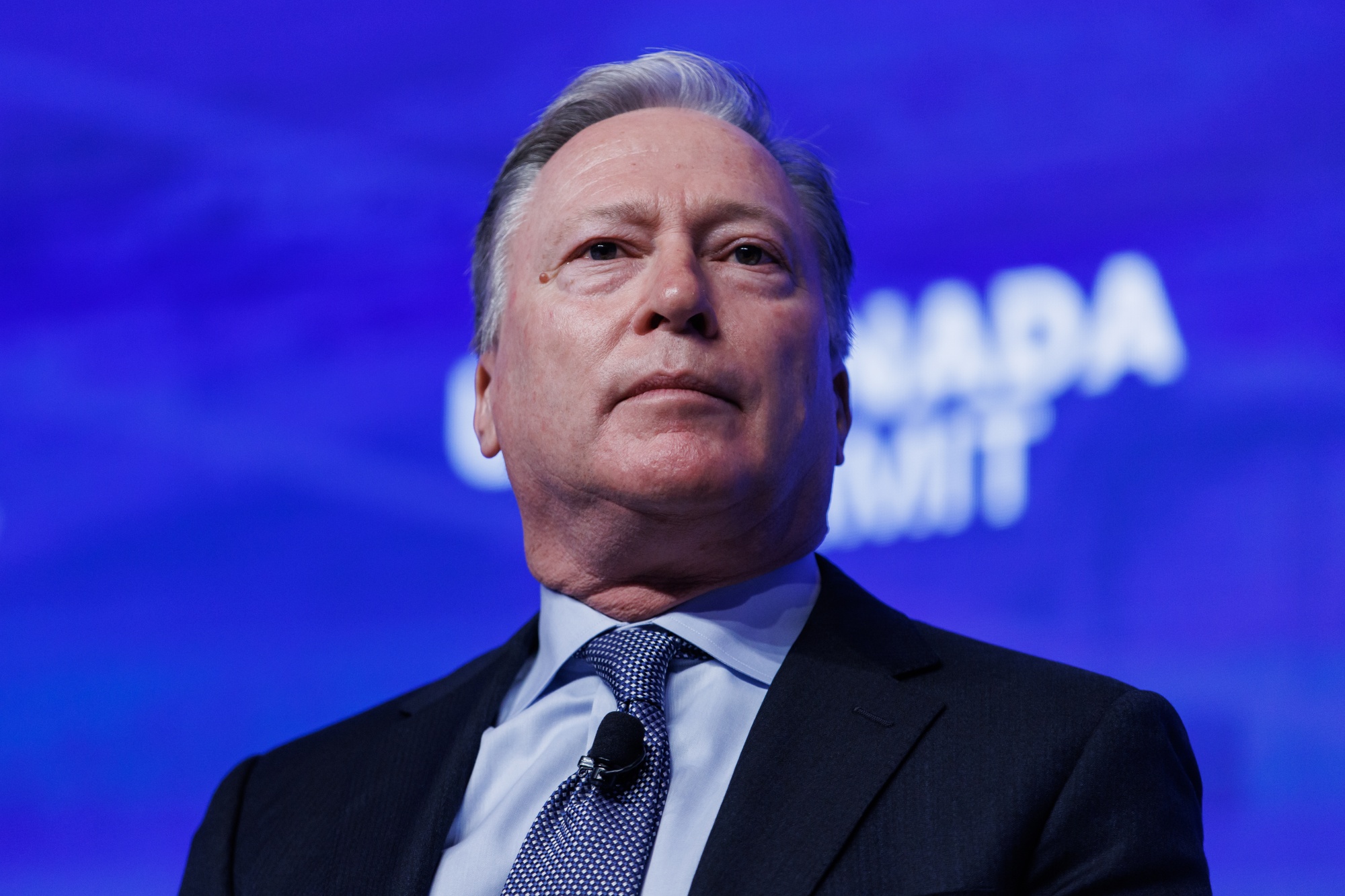
Ebel’s remarks effectively distance Enbridge from a new energy corridor championed by Alberta Premier Danielle Smith. The project, which aims to transport crude oil to the northern British Columbia coast, faces significant hurdles, including formal opposition from the British Columbia provincial government. While the federal government has suggested it could support the corridor, Ebel argued that private-sector firms should not be expected to shoulder the risks inherent in such politically sensitive developments.
A Legacy of Policy Hurdles
Ebel roots his caution in the failed Northern Gateway project, which Enbridge abandoned in 2016. Despite initial backing from a previous administration, the project collapsed after the federal government withdrew its support, leading to a loss of over $400 million. The initiative faced intense pressure from environmental groups and legal challenges in Canadian courts. Ebel noted that the company has no interest in repeating that experience when other, more stable opportunities are available.
The proposed pipeline remains a priority for the Alberta government, which secured a conditional agreement with federal authorities last year. According to the report, Prime Minister Mark Carney offered support for the corridor on the condition that Alberta adopts more stringent industrial carbon-pricing. In exchange, Ottawa agreed to suspend specific environmental regulations, including a carbon emissions cap for the oil-and-gas sector.
The federal government’s approval hinges on three primary requirements:
- Securing a private-sector lead to fund and build the infrastructure.
- Establishing equity ownership for Indigenous communities.
- Overcoming the formal opposition voiced by the British Columbia government.




Comments (0)
No comments yet. Be the first!