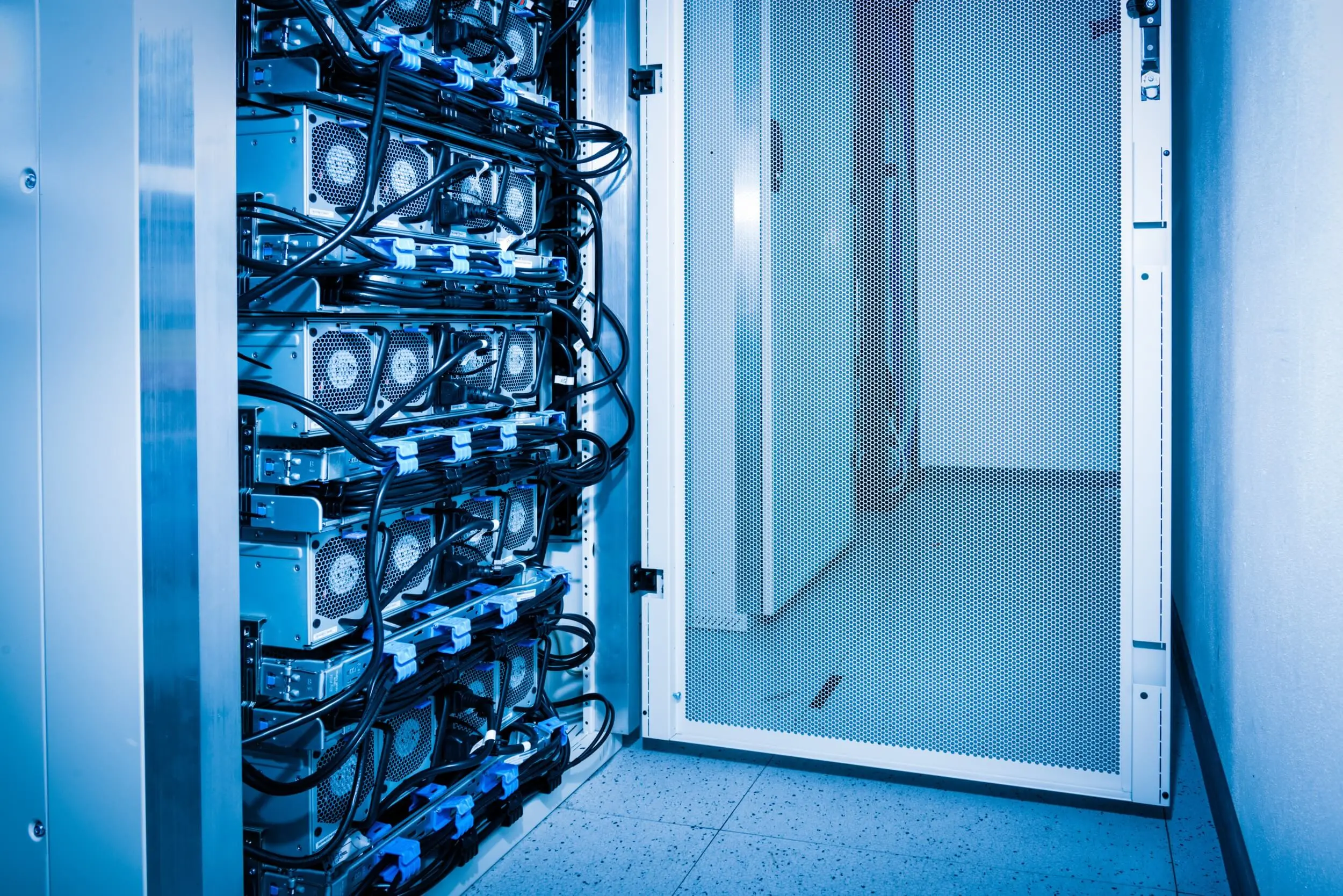
Published this week in Nature Energy, the study examined electricity demand and infrastructure projects from 2020 to 2025. Researchers found that data centers drove up wholesale electricity prices and contributed to a sharp increase in transmission investment, which rose from $2 billion in 2020 to $34 billion in 2025. Of the 2025 infrastructure bill, data centers paid $3.12 billion; the remaining $5.13 billion fell largely on residents. The lowest-income households faced additional energy costs of up to 28% of their incomes, the researchers said.
Under regulated tariffs, residential users are assigned a median 47% of costs, although they contribute far less to demand growth. The study found that this cost-sharing approach leaves rural communities with increases 76% larger than those faced by urban communities. Residents in New Jersey, Pennsylvania and Ohio can also help pay for grid upgrades associated with data center growth in Virginia.
The researchers say the problem stems partly from allocating costs according to past energy use rather than forecasts of future demand. “It’s kind of a chicken-and-egg problem,” said Fengqi You, a co-author and researcher at Cornell’s Duffield College of Engineering: grid capacity must be built before a data center operates, but the facility is not yet consuming power when those costs are assigned. “With this model of relying on past consumption, households end up taking on much of the infrastructure costs,” he said.
You and study first author Cheng Feng, a Cornell postdoctoral researcher, recommend revising cost-sharing rules and adopting state measures that charge data centers in line with the new demand they add. Minnesota recently established a special revenue fund for fees on qualified large-scale data centers; the money must support utility programs benefiting low-income households. Concerns over who pays for grid upgrades have fueled debate in states and Congress. The article says significant state-level changes are highly likely amid affordability pressures and high energy prices, including in Ohio and Texas, where Democratic governors were elected in data center hotspots.




Comments (0)
No comments yet. Be the first!