PG&E said in September that it would defer about $2 billion in spending while conducting a strategic review. Its 2027 plan is now $11.4 billion, down from the $13.4 billion previously announced. The company said delays could affect connections for new housing and renewable generation, as well as technology upgrades—adding to waits for renewable developers already struggling to access the grid.
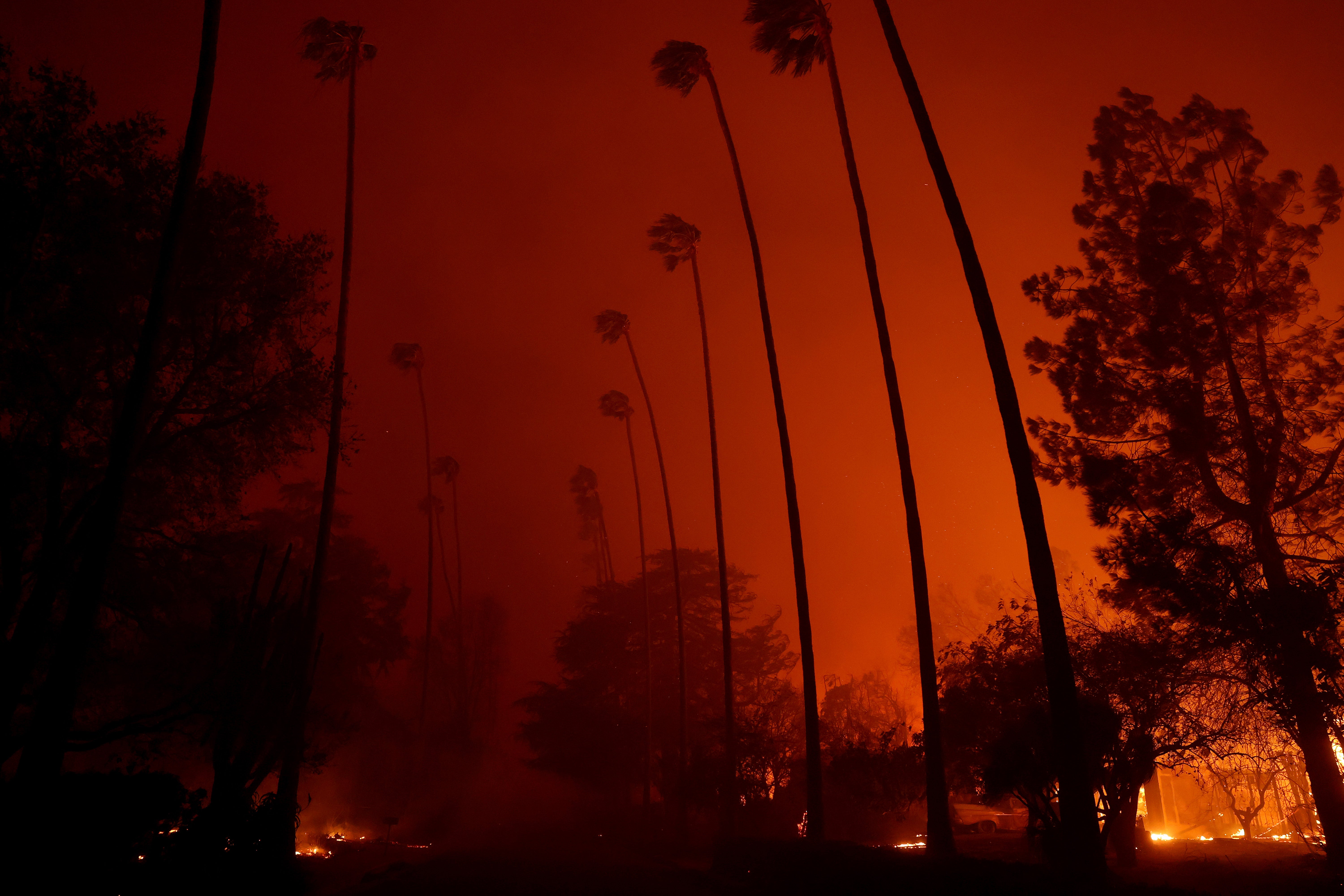
Wildfire liabilities have also strained other utilities. PG&E CEO Patti Poppe said the risks raise financing costs, affect customer affordability and limit energy-system investment. In 2019, investigators found that PG&E equipment caused the 2018 wildfire that killed 85 people and destroyed more than 18,000 buildings. The company faced tens of billions of dollars in liability and filed for bankruptcy. Southern California Edison is now dealing with similar financial pressure after a ruling that one of its transmission towers started the state’s second-most destructive wildfire, which occurred last year outside Los Angeles.
California established a $21 billion wildfire fund in 2019, financed by utility shareholders and ratepayers, and added $18 billion last year. Governor Gavin Newsom is seeking a law to limit utilities’ liability to victims and attorneys, with the stated aim of stabilising electricity rates, among the highest in the United States. Six of California’s 10 most destructive wildfires have been attributed to utility equipment. Under current law, utilities can be liable for fires caused by their equipment even when a judge finds them not negligent; insurers can then seek reimbursement for rebuilding costs.
The proposal could shift more reconstruction costs to insurers, require utility CEOs to forfeit bonuses after fires causing more than $1 billion in damage, and allow fines of up to $10 million for shareholders when wildfire-prevention requirements are violated. Fire survivors have criticised the plan as favouring utilities, while insurers fear taking on a larger share of costs. The California Public Utilities Commission has called the current system unsustainable and said it contributes to higher bills. But efforts to secure legislative support have stalled. If lawmakers delay a decision until January, Governor-elect Xavier Becerra may be left to oversee a final deal.




Comments (0)
No comments yet. Be the first!