The commerce ministry's restrictions split the targeted companies into two tiers. Twenty firms, including affiliates of Mitsubishi Heavy Industries and Kawasaki Heavy Industries, were placed on a strict control list that prohibits Chinese suppliers from selling them dual-use technology. An additional 20 companies, such as Subaru Corp, were added to a watch list, subjecting them to intensified scrutiny and tighter export licensing requirements.
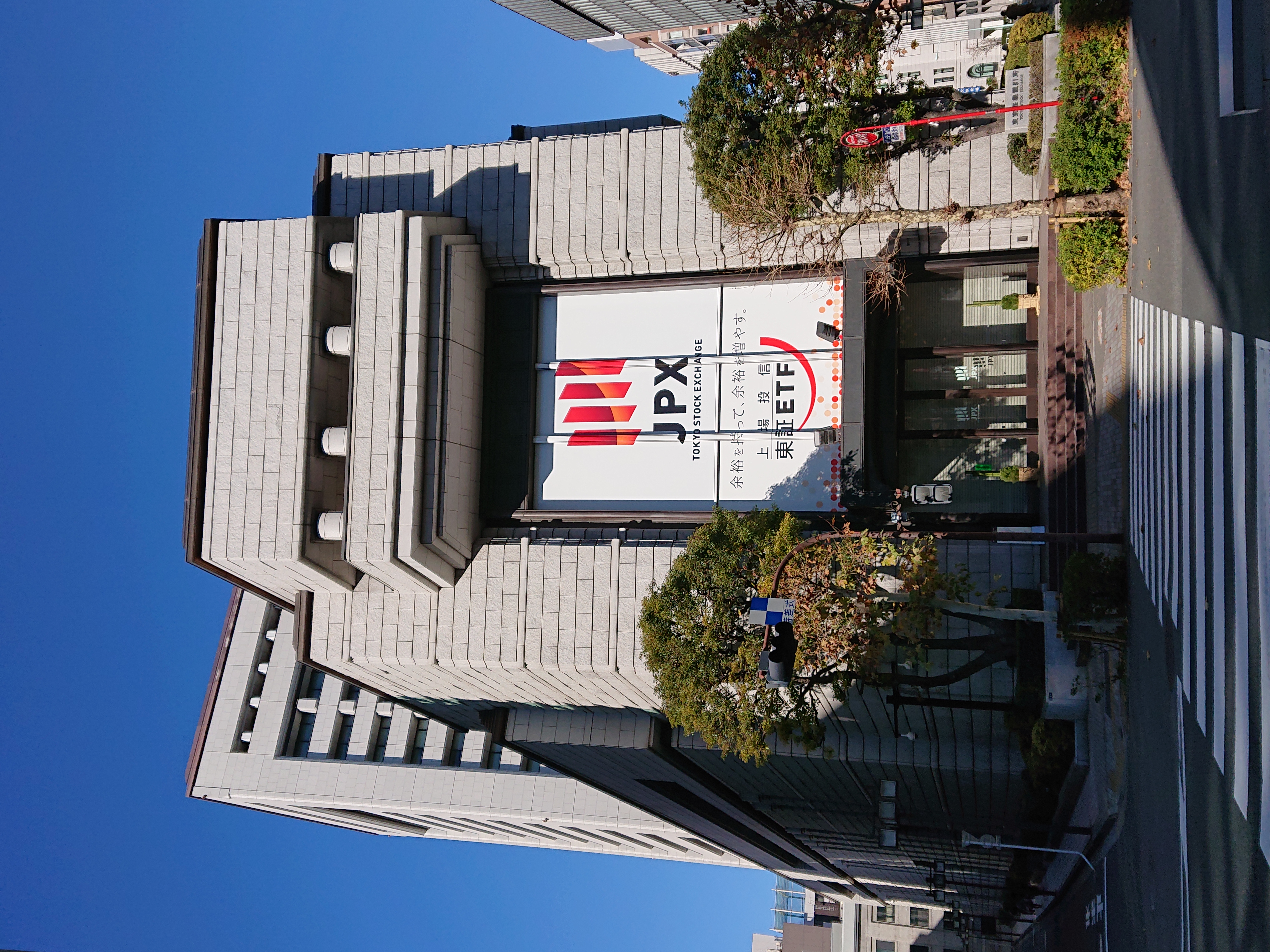
The announcement sparked an immediate retreat in Tokyo trading. IHI Corp shares dropped 6.7%, while Kawasaki Heavy and Mitsubishi Heavy fell 5.1% and 3.9%, respectively. Electronic giants also felt the impact; Fujitsu plunged 9.2% and NEC Corp shed 6.4%. While the China news served as the primary catalyst, analysts noted that Fujitsu and NEC were also pressured by broader investor anxiety regarding artificial intelligence valuations.
Escalating Regional Tensions
The trade restrictions follow months of deteriorating relations centered on regional security. Tensions spiked late last year after Japanese Prime Minister Sanae Takaichi suggested Tokyo could be drawn into a conflict over Taiwan. Beijing responded in early January by banning military-use exports to Japan, and this latest move further restricts the flow of critical components necessary for Japan's defense manufacturing sector.
Market observers suggest the selloff was exacerbated by "overcrowded" positioning in the defense sector. According to Andrew Jackson, head of Japan equity strategy at Ortus Advisors, many of these stocks were trading at high valuations driven by expectations of increased military spending under the Takaichi administration. Jackson noted that while the news from China was somewhat expected, the sector was ripe for a pullback given how much growth had already been priced in by investors.




Comments (0)
No comments yet. Be the first!