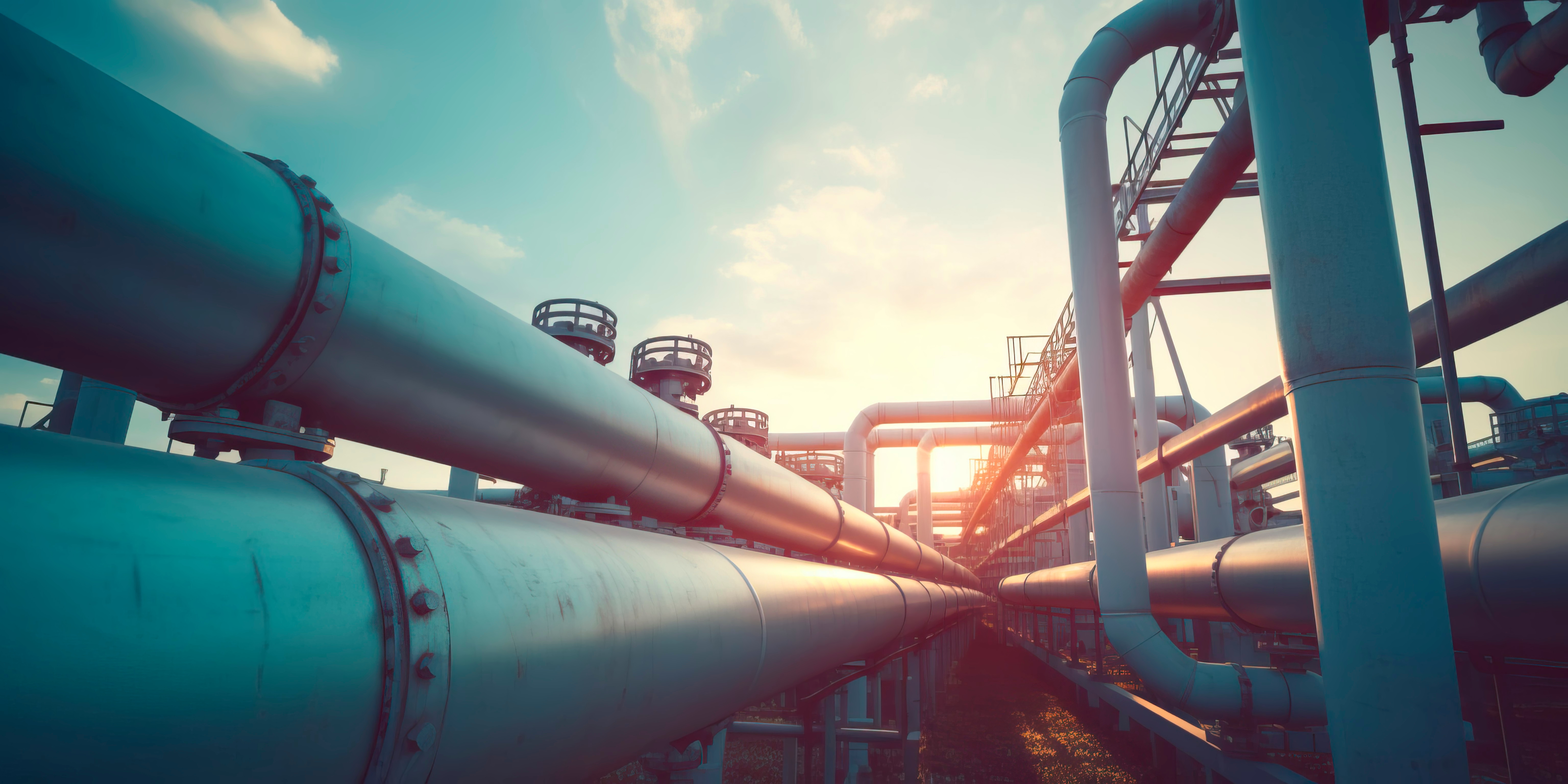
Saudi Arabia proved the value of long-term planning by utilizing its East-West pipeline to reroute exports from the Persian Gulf to the Red Sea. By ramping up throughput to 7 million barrels daily, the Kingdom demonstrated how existing infrastructure can mitigate sudden transit losses. The primary limitation remains current loading capacity at Yanbu Port, a bottleneck Aramco is expected to resolve rapidly.
Other regional players are moving with similar urgency. The UAE plans to double the capacity of its Fujairah pipeline to 3.6 million barrels daily by the end of next year. Iraq, which saw its production plummet from 4 million to roughly 1 million barrels per day during the crisis, is now aggressively expanding the Kirkuk-Ceyhan pipeline. Baghdad aims to increase that link's capacity from 200,000 to 770,000 barrels daily while exploring new routes through Syria and Jordan.
Beyond national projects, a broader proposal known as the Four Seas Initiative seeks to link Middle Eastern oil fields to Mediterranean ports. Backed by the New Lines Institute, the $10 billion project aims to establish the Levant as a major energy corridor. While the plan promises to bolster European energy sovereignty and Syrian reconstruction, it faces significant complexities, particularly for nations like Kuwait and Qatar. Lacking domestic bypass infrastructure, these countries remain tethered to the cooperation of neighbors, leaving them exposed to the very geopolitical frictions they are desperate to escape.




Comments (0)
No comments yet. Be the first!