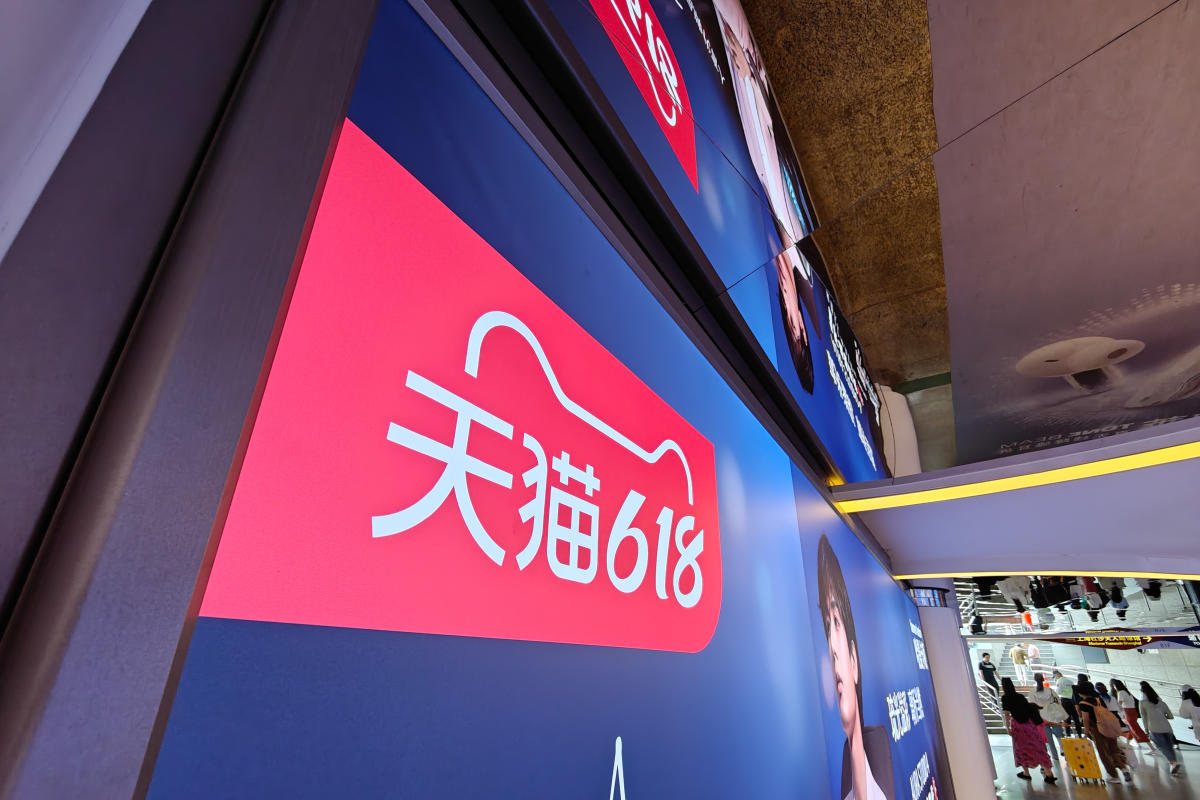
Retailers abandoned the complex bundle deals and tiered discount schemes that previously defined the mid-year event. In their place, platforms adopted a transparent model of direct price cuts and single-item discounts. This strategic pivot signals a move toward market maturity, prioritizing consumer clarity over the manufactured urgency of past campaigns.
Technological investment replaced traditional traffic wars, leading industry experts to brand this as the first AI-native shopping festival. Alibaba deployed its AI Wanxiang Engine and Qwen model to refine user-product matching, while JD.com utilized its Jingxiaotong system to synchronize omnichannel operations. Simultaneously, Douyin and Kuaishou overhauled their marketing platforms to reduce merchant costs through automated efficiency.
According to Syntun’s monitoring, the 934 billion CNY total was driven primarily by e-commerce platforms, which accounted for 863.6 billion CNY in sales, with Tmall leading the pack. Instant delivery services contributed 62.8 billion CNY, while community group buying added 7.6 billion CNY to the final tally. This data reflects a sector increasingly reliant on digital infrastructure to maintain growth in a more discerning consumer landscape.




Comments (0)
No comments yet. Be the first!