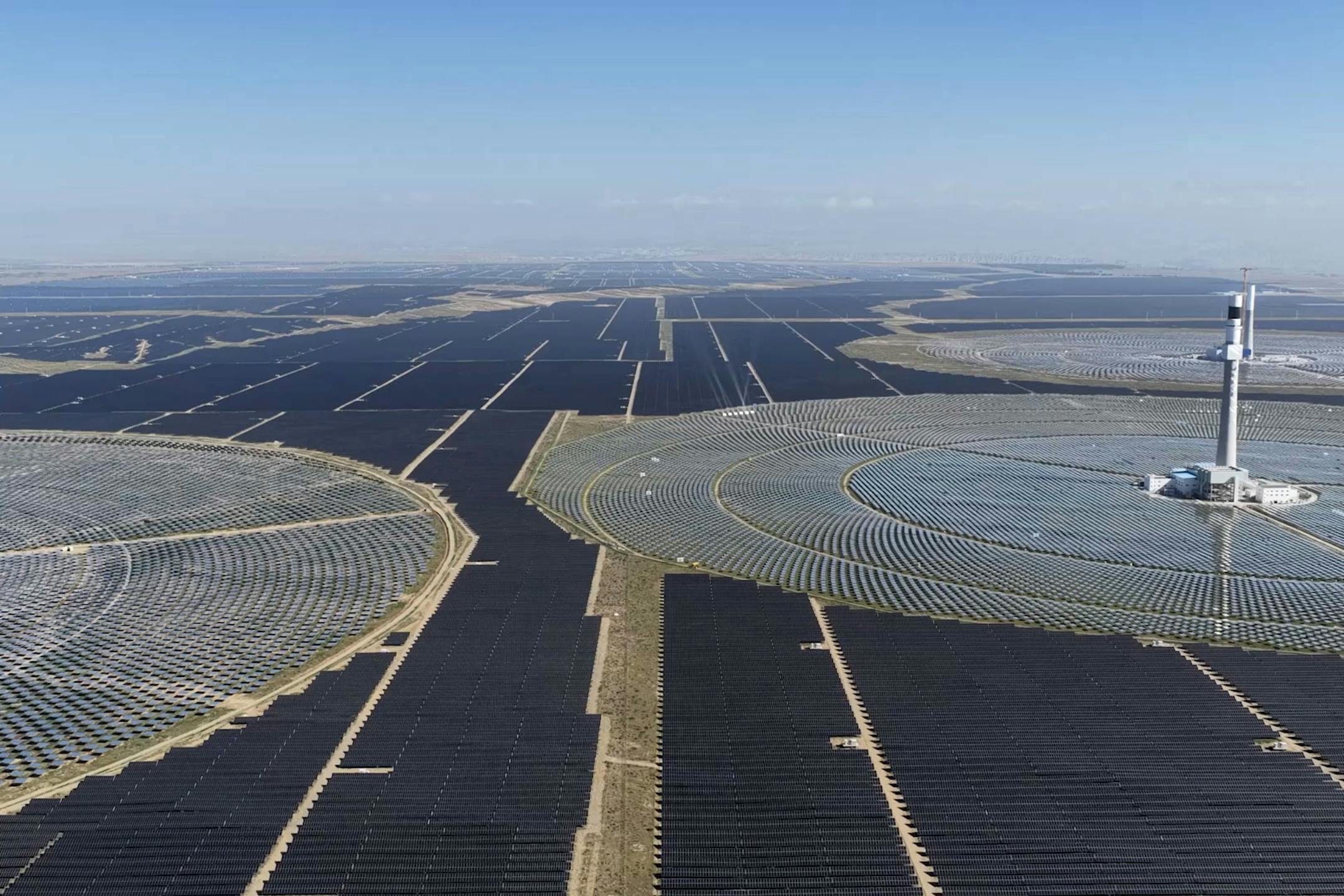
Under the 15th Five-Year Plan, Beijing intends to boost solar and wind production by 53 percent by 2030. The National Development and Reform Commission and the National Energy Administration aim to lift renewable output to 1.8 billion tons of coal equivalent by the end of the decade. This push includes massive investments in battery storage, green hydrogen, and the development of 10 renewable "megabases" designed to transmit power via ultra-high voltage networks from the north to the industrial east. Currently, China holds a pipeline of 664 GW of solar and 700 GW of wind capacity, representing significant portions of the global total.
Despite this momentum, coal remains central to the nation's power stability. In 2025, China accounted for 78 percent of global coal power capacity that commenced operations, and it currently holds 86 percent of the world’s coal capacity under construction. Recent data indicates that power-sector emissions rose during the first four months of 2026, casting doubt on whether current renewable additions are sufficiently displacing fossil fuels or merely augmenting them. Analysts warn that if this coal-heavy infrastructure continues to grow alongside intermittent renewables, the government’s 2030 peak emissions target may prove difficult to sustain.




Comments (0)
No comments yet. Be the first!