The U.S. Treasury’s latest initiative, labeled 'Economic D-Day,' targets five core sectors of Iran’s economy, including digital assets, technology, and shipping. By suspending all humanitarian and personal remittance exemptions and blacklisting entities tied to the Islamic Revolutionary Guard Corps, the U.S. seeks total financial isolation for the regime. Through 'Operation Economic Outcast,' Washington is also leveraging secondary sanctions, threatening to cut off any foreign bank or firm—including those in Hong Kong and Singapore—from the U.S. dollar system if they facilitate Iranian trade.
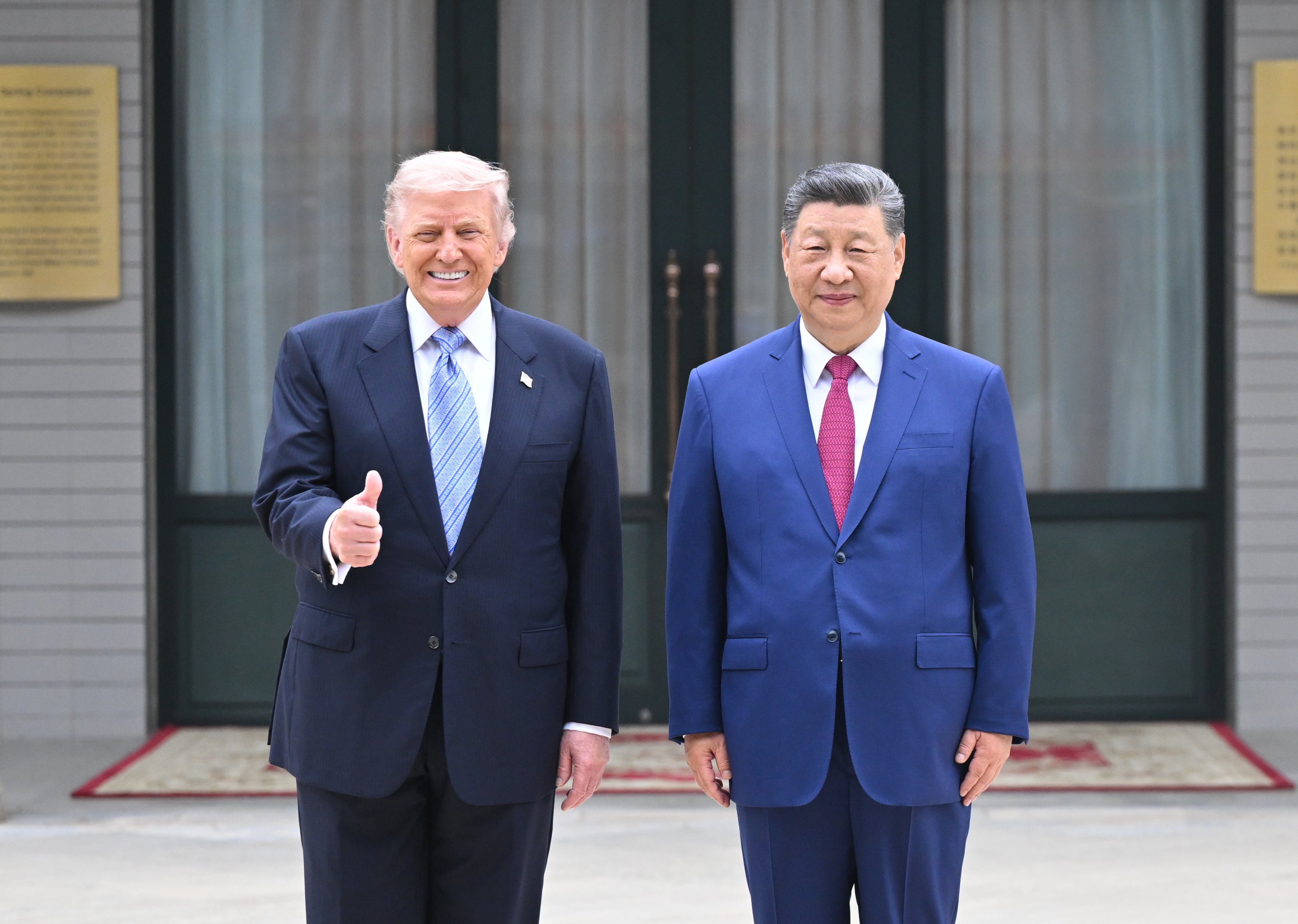
China, however, remains well-equipped to bypass these measures. Beijing utilizes non-systemic commercial banks, independent 'teapot' refineries, and the Iran-China 25-Year Comprehensive Cooperation Agreement to maintain trade flows. Furthermore, China’s Cross-Border Interbank Payment System offers a secure, independent alternative to SWIFT, rendering many transactions invisible to U.S. regulators. Beyond these mechanisms, Beijing holds significant geopolitical cards: it controls 85% of global rare earth processing and has recently manipulated global oil prices by slashing its own crude demand by nearly 50%. With China purchasing over 80% of Iran’s exported oil, the upcoming summit may force a difficult trade-off between U.S. policy in the Middle East and the escalating tensions surrounding Taiwan.



Comments (0)
No comments yet. Be the first!