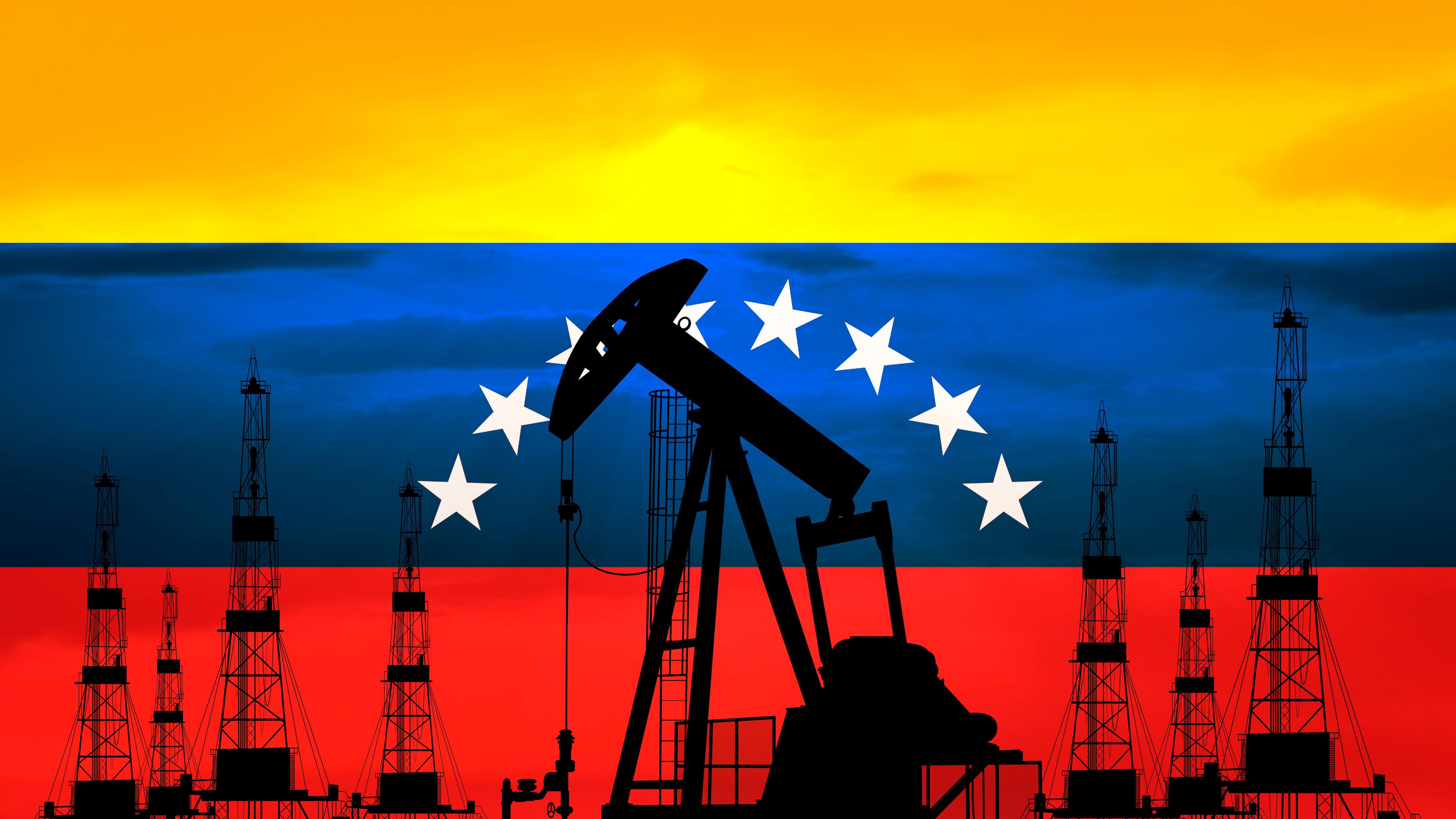
The agreement grants NABEP—controlled by Alejandro Betancourt—100-year rights over 17 fields in the Orinoco Belt and Lake Maracaibo. These assets, previously targeted or operated by giants like China National Petroleum Corp. and Sinopec, are now central to a U.S. strategy that secures Washington a 35% stake in the parent company and priority access to production. For Beijing, which holds an estimated $10 billion in outstanding debt from Caracas, the shift undermines the very mechanism used to secure repayment through physical oil shipments.
While the Venezuelan state remains technically obligated to honor its debts, the new production hierarchy complicates the flow of crude. The U.S. State Department’s right of first refusal on 80% of NABEP’s output leaves Chinese refiners and lenders with dwindling access to the heavy crude they rely on to maintain margins. Previously, Chinese teapots utilized discounted Venezuelan barrels to offset weak domestic demand; now, they face competition for supply from a system effectively under U.S. oversight. This three-fold loss—financial, commercial, and geopolitical—signals a collapse of the premise that massive infrastructure loans could guarantee Beijing a permanent, loyal stake in Latin American energy markets.


Comments (0)
No comments yet. Be the first!